













How Hannover’s Sustainable Automotive Solutions Are Transforming the Industry
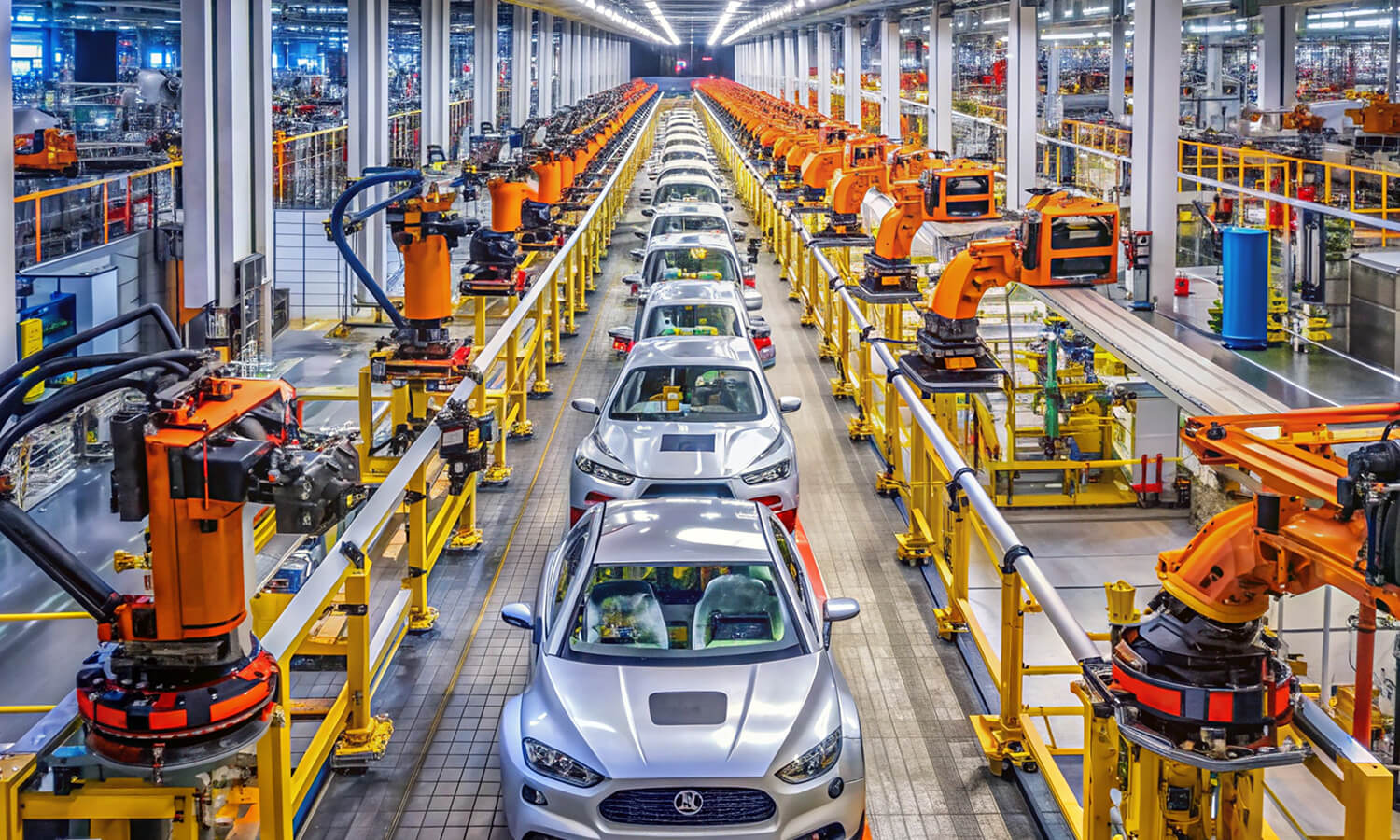
The automotive industry is undergoing a monumental transformation as it shifts towards more sustainable practices. Among the key players driving this change is Hannover, a city renowned for its innovative approach to automotive solutions. Hannover’s commitment to sustainability is reshaping the industry, making it more environmentally friendly and efficient. This blog explores how Hannover’s sustainable automotive solutions are making a significant impact and transforming the industry.
Hannover’s Vision for Sustainable Automotive Solutions
Hannover has emerged as a leader in sustainable automotive solutions, thanks to its focus on reducing carbon emissions, enhancing energy efficiency, and promoting the use of renewable resources. The city’s initiatives are centered around several key areas
Electric Vehicles (EVs)
Hannover is at the forefront of the electric vehicle revolution. The city’s automotive manufacturers are investing heavily in EV technology, from battery development to electric drivetrains. By increasing the adoption of electric vehicles, Hannover aims to reduce greenhouse gas emissions and reliance on fossil fuels. Key players include
- • Volkswagen Commercial Vehicles: Development and production of electric vehicles, including planning for a fully electrified model range.
- • Continental AG: Development of electronics, sensor technology, and software for electric vehicles.
- • Institute for Drive Systems and Power Electronics - LUH: Pioneering research in EV technology.
Green Manufacturing Processes
Sustainable manufacturing practices are a cornerstone of Hannover’s automotive industry. Companies are adopting green technologies to minimize waste, lower energy consumption, and reduce their carbon footprint. This includes using renewable energy sources, recycling materials, and implementing energy-efficient production methods. Notable examples are:
- • WABCO: Focused on sustainable production methods and environmentally friendly technologies.
- • Johnson Controls: Efficient energy management and sustainable building technologies applied in manufacturing.
- • Institute for Environmental Technology and Recyclable Materials - HSH: Leading research in sustainable manufacturing
Innovative Supply Chain Solutions
responsibility. By optimizing logistics and reducing the environmental impact of transportation, Hannover’s solutions help automotive companies lower their overall carbon footprint. Leading initiatives include
- • DB Schenker: Leader in the implementation of innovative and sustainable supply chain solutions.
- • Kühne + Nagel: Specializes in environmentally friendly supply chains.
- • Institute for Integrated Production Hannover - LUH: Innovating supply chain
Advanced Research and Development
Research and development (R&D) play a crucial role in Hannover’s approach to sustainable automotive solutions. The city hosts numerous R&D facilities focused on developing cutting-edge technologies that drive sustainability. This includes advancements in alternative fuels, lightweight materials, and smart grid integration. Key contributors are
- • Energy Research Centre of Lower Saxony (EFZN / Goslar): Leading energy research initiatives.
- • MTU: Projects to reduce emissions and increase efficiency.
- • Institute of Materials Science - LUH: Innovating in material sciences for automotive applications.
The Impact on the Automotive Industry
Hannover’s sustainable automotive solutions are creating a ripple effect across the industry. Here’s how these innovations are transforming the sector
Enhanced Environmental Performance
By focusing on electric vehicles and green manufacturing, Hannover is helping automotive companies meet stringent environmental regulations. The city’s solutions contribute to lower emissions and a smaller environmental footprint, aligning with global sustainability goals.
Cost Savings and Efficiency
Sustainable practices often lead to cost savings for automotive companies. Hannover’s green manufacturing processes and optimized supply chain solutions help reduce operational costs, making sustainable practices not only environmentally beneficial but also economically viable.
Increased Market Competitiveness
As the demand for sustainable automotive solutions grows, companies that adopt Hannover’s innovations gain a competitive edge. Consumers are increasingly prioritizing sustainability, and businesses that offer eco-friendly products and practices are more likely to attract and retain customers.
Driving Innovation
Hannover’s focus on R&D fosters a culture of innovation within the automotive industry. The city’s advancements in technology pave the way for new solutions and improvements, driving the industry forward and setting new standards for sustainability.
Conclusion
Hannover is proving to be a pivotal player in the transformation of the automotive industry towards a more sustainable future. By championing electric vehicles, green manufacturing, innovative supply chain solutions, and advanced R&D, the city is not only setting a high standard for environmental responsibility but also demonstrating the economic and competitive benefits of sustainable practices. As the automotive industry continues to evolve, Hannover’s leadership and innovative solutions will undoubtedly serve as a model for other regions and companies striving to achieve sustainability goals. The ripple effects of Hannover’s efforts are already being felt across the industry, encouraging a global shift towards greener practices. As we look ahead, it’s clear that Hannover’s contributions will play a significant role in shaping a more sustainable automotive landscape for years to come.
What are Hannover’s main sustainable automotive initiatives?
How does Hannover’s focus on electric vehicles impact the automotive industry?
What role does research and development play in Hannover’s sustainable automotive solutions?
How do Hannover’s green manufacturing processes benefit automotive companies?
Why are Hannover’s sustainable automotive solutions important for the future of the industry?
 Twitter