






Business Networking Opportunities in Germany for International Firms
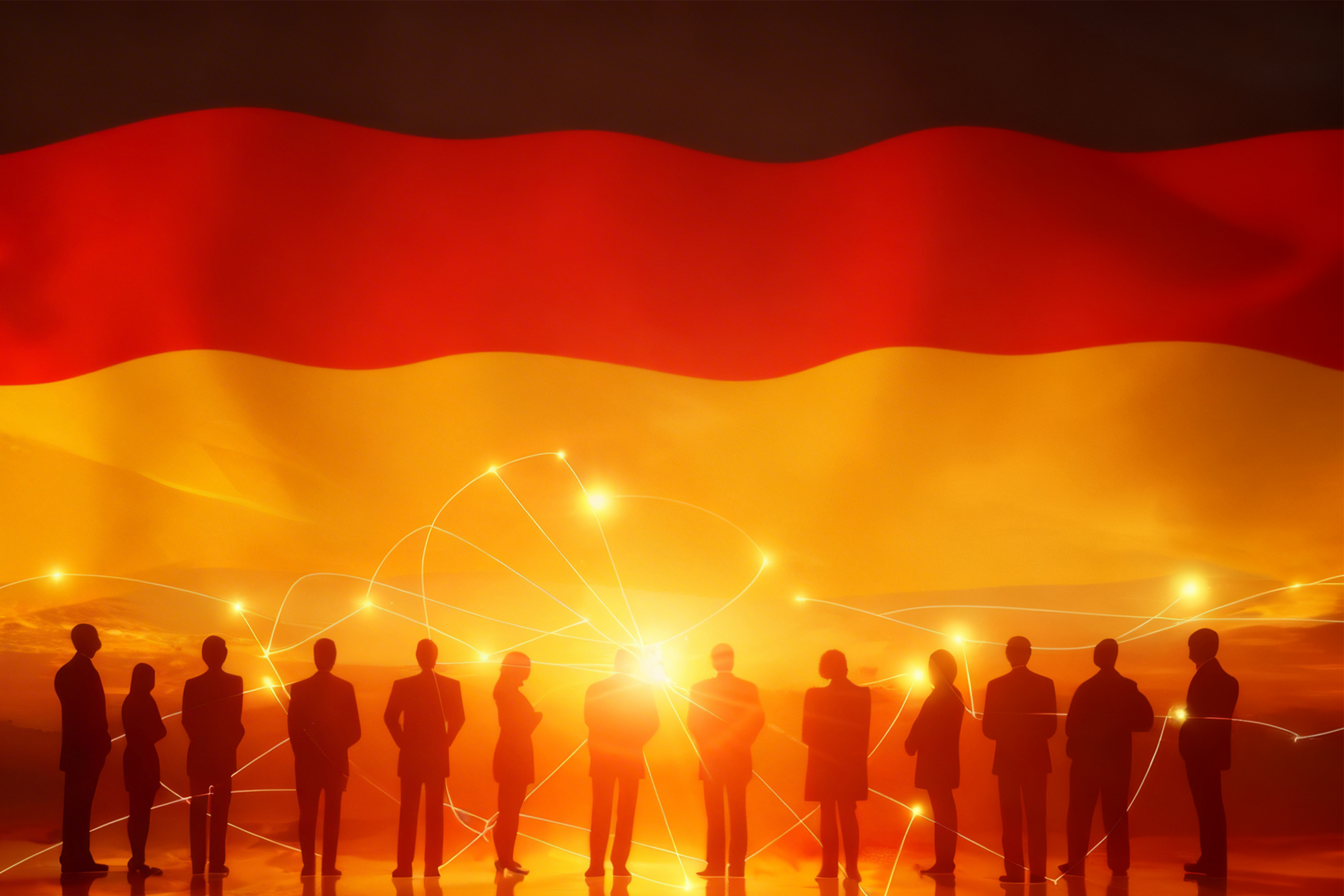
Expanding into Germany offers international companies access to one of Europe’s most stable and innovation-driven economies. However, entering a new market requires more than simply registering a company or opening an office. One of the most important success factors for international firms is building strong business networks that help them connect with partners, clients, and industry leaders.
Germany has a well-structured business ecosystem where professional relationships, industry associations, and trade fairs play a major role in business development. For foreign companies planning international business expansion to Germany, understanding the networking landscape in Germany can significantly improve market entry, visibility, and long-term growth.
What are business networking opportunities in Germany for international firms?
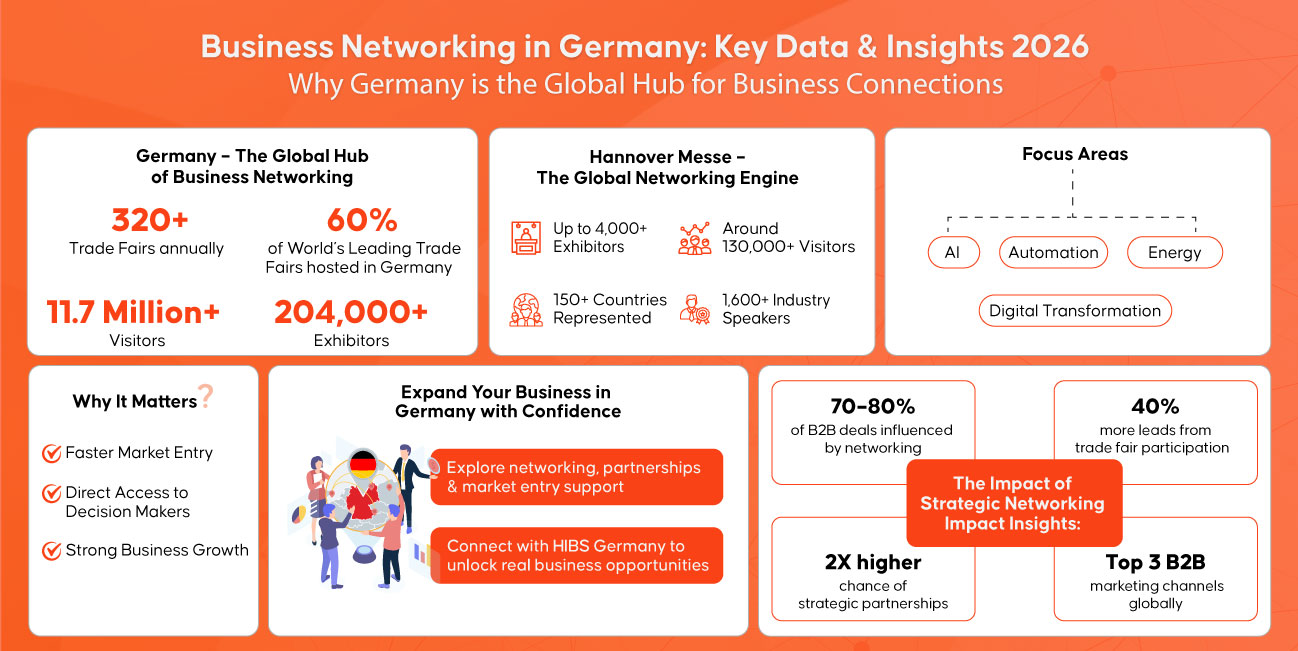
Germany offers extensive business networking opportunities for international companies through trade fairs, industry associations, innovation clusters, and start-up ecosystems. Global events like HANNOVER MESSE, regional chambers of commerce, and local business networks help foreign companies connect with partners, investors, and suppliers. Cities like Hannover provide strong industrial ecosystems and international platforms that support foreign companies entering the European market.
Why Business Networking Is Important for International Companies in Germany
Business networking is an essential part of the German corporate environment. Companies in Germany typically value trust, reliability, and long-term professional relationships. As a result, many partnerships develop through industry events, professional communities, and direct introductions rather than quick online interactions.
For international firms expanding into Germany, networking can help in several ways:
- Building credibility and trust in a new market
- Identifying potential business partners and suppliers
- Understanding industry regulations and market trends
- Connecting with local talent and skilled professionals
- Discovering investment and collaboration opportunities
Companies that actively participate in professional networks often gain faster access to the German business ecosystem and improve their chances of successful expansion.
Key Business Networking Platforms in Germany
Germany offers a variety of networking platforms that support collaboration between local and international companies. These platforms help foreign businesses integrate into the market and establish meaningful partnerships.
1. International Trade Fairs and Exhibitions
Germany hosts some of the most influential global trade fairs in Hannover, where international companies connect with industry leaders, investors, and technology partners.
Trade fairs are among the most powerful networking opportunities available in Germany. The country hosts some of the largest global exhibitions across industries such as manufacturing, technology, logistics, and automotive.
Events like HANNOVER MESSE, for example, attract thousands of exhibitors and international visitors every year. These exhibitions create an environment where companies can meet potential partners, explore emerging technologies, and expand their international presence.
Participating in trade fairs allows international firms to:
- Meet potential customers and distributors
- Showcase products and services to a global audience
- Discover new suppliers and technology partners
- Gain insights into industry trends and innovation
2. Chambers of Commerce and Industry Associations
Germany’s business ecosystem is supported by strong industry organizations and chambers of commerce. These organizations provide networking opportunities through conferences, workshops, and industry events.
Foreign companies joining these networks gain access to:
- Business seminars and networking forums
- Market insights and regulatory updates
- Introductions to local companies and suppliers
- Collaboration opportunities with industry stakeholders
Organizations such as regional Chambers of Commerce (IHK) play a key role in helping international firms connect with the local business community.
3. Innovation Clusters and Research Networks
Germany is known for its strong innovation ecosystem, where companies collaborate closely with universities, research institutes, and technology start-ups. Many regions host specialized innovation clusters focused on industries such as automation, robotics, automotive technology, and digital transformation.
These innovation networks provide opportunities for international companies to:
- Participate in collaborative research projects
- Connect with research institutions and technology partners
- Access innovation funding and development programs
- Explore partnerships with start-ups and emerging companies
Cities like Hannover have developed strong innovation networks that support industrial transformation and technological collaboration.
Hannover: A Strategic Networking Hub for International Firms
Hannover has become an increasingly important location for global companies looking to build professional networks in Germany. The city combines strong industrial capabilities with international connectivity and a supportive business environment.
Some of Hannover’s key advantages include:
- Hosting major global events such as HANNOVER MESSE
- A strong presence of engineering, manufacturing, and technology companies
- Access to research institutions and innovation centers
- A collaborative ecosystem supporting international business expansion
For companies seeking to establish connections in Germany’s industrial landscape, the business ecosystem in Hannover, supports international investors through innovation networks and strategic partnerships.
Practical Networking Tips for International Businesses
International firms entering the German market can strengthen their networking efforts by following a few strategic approaches.
Attend industry events regularly.
Trade fairs, conferences, and sector-specific events help companies stay visible and connected with industry leaders.
Invest in relationship building.
German business culture values trust and reliability, so developing professional relationships over time is essential.
Collaborate with local organizations.
Working with regional business development agencies and industry groups can accelerate market entry and provide valuable introductions.
Participate in innovation ecosystems.
Technology clusters and research collaborations can open doors to new opportunities and strategic partnerships.
Conclusion
Germany offers a rich business networking environment supported by trade fairs, industry associations, innovation clusters, and regional business communities. For international companies, engaging with these networks is essential for understanding the market, building trust, and identifying strategic opportunities.
Cities like Hannover provide particularly strong platforms for global business collaboration, combining industrial expertise with international connectivity. Companies that actively participate in Germany’s professional networks are better positioned to establish a strong presence and succeed in the European market.
For international firms planning expansion into Germany, strategic networking is not just helpful—it is often the key to long-term success.
 Twitter