












How German Work Culture Drives Productivity and Global Business Success
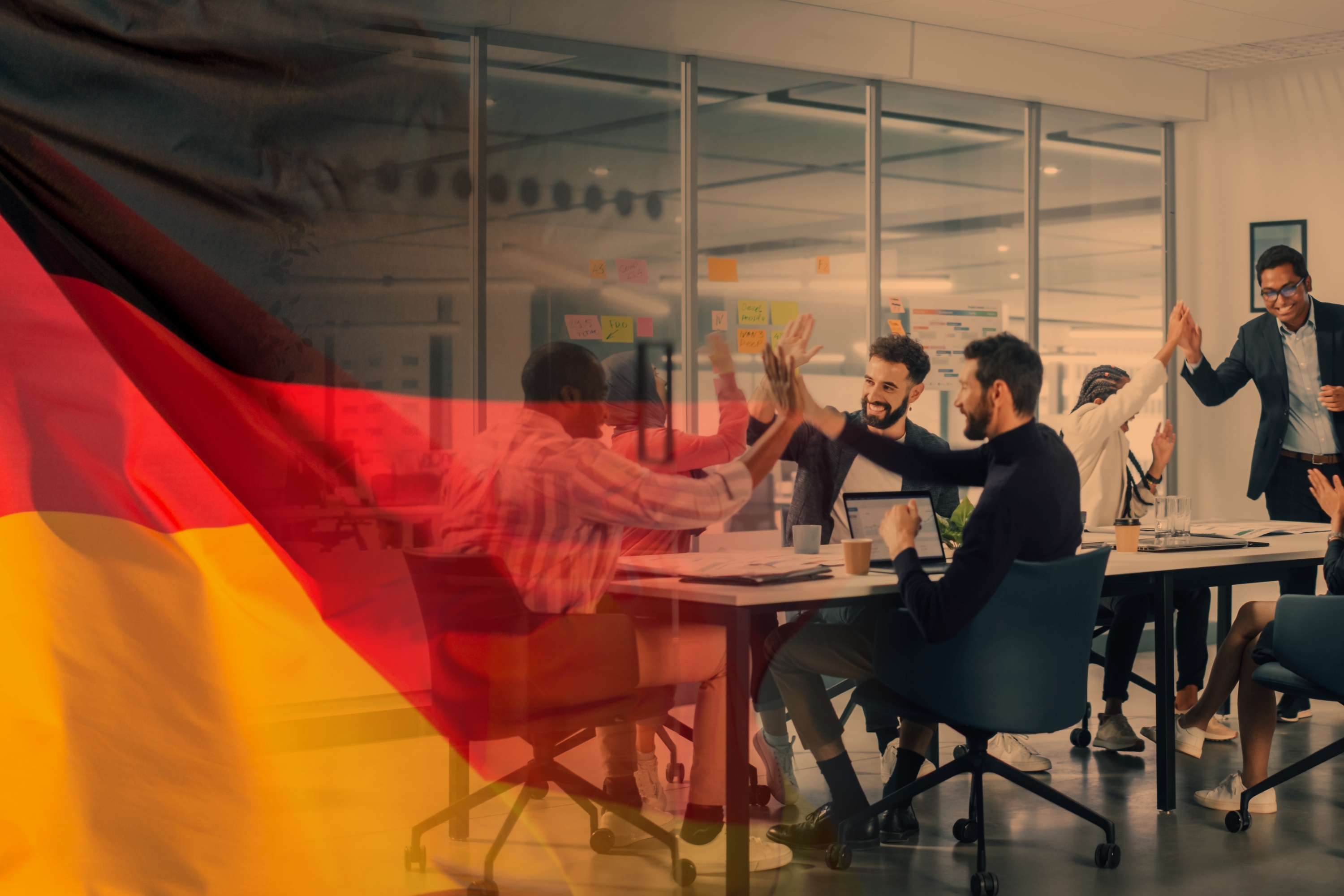
Germany is known worldwide not just for its engineering precision and technological excellence but also for a German work culture that has become a global benchmark for productivity and success. This strong German business culture reflects a balance of discipline, structure, and respect—values deeply rooted in the country’s professional identity. This approach has helped Germany maintain its reputation as one of the strongest and most reliable economies in the world.
In today’s interconnected global business environment, understanding how Germany achieves such consistency in workplace performance provide valuable information for international HR professionals, business leaders, and global organizations aiming to improve workplace efficiency. For many companies exploring opportunities for working in Germany, these cultural principles provide a clear blueprint for long-term success.
1. Punctuality and Discipline: The Foundation of Trust
2. Clear Communication and Structured Processes
3. Strong Emphasis on Work-Life Balance
4. Collaborative Teamwork and Individual Responsibility
5. Continuous Learning and Professional Development
6. Focus on Quality Over Quantity
7. Ethical Leadership and Transparency
Conclusion
FAQs
1. Punctuality and Discipline: The Foundation of Trust
In Germany, punctuality is not merely a habit—it’s a symbol of respect and reliability. This defining element of German Work Culture ensures meetings start on time, projects stay on schedule, and deadlines are followed with discipline. Such consistency builds trust across teams and partners, contributing to strong German business efficiency.
For more insights on German workplace norms, explore the German work culture guidelines from the official government portal.
For global executives, adopting such a structured approach fosters transparency, minimizes delays, and sets a professional tone that strengthens business relationships, an important contributor to Germany’s reputation for reliability.
2. Clear Communication and Structured Processes
German workplaces value clarity, precision, and organization. Employees and managers rely on direct communication, well-defined roles, and detailed planning to reduce ambiguity. This mindset is a core feature of German office culture, enabling teams to operate smoothly and predictably.
Example:
Many international organizations have adopted Germany’s documentation and reporting style to ensure accountability and process consistency, helping boost employee productivity in Europe and beyond.
3. Strong Emphasis on Work-Life Balance
Germany’s approach to work-life balance is globally recognized. Contrary to the belief that long working hours drive productivity, Germany work-life balance prioritizes efficiency during work hours and respects personal boundaries after office hours.
This balance contributes to higher job satisfaction, creativity, and long-term retention—illustrating that sustainable productivity stems from well-being, not exhaustion. Global HR leaders often study this model when designing scalable workforce strategies.
4. Collaborative Teamwork and Individual Responsibility
German teams operate with a blend of autonomy and collaboration. Employees are trusted to make decisions within their roles while contributing collectively to shared goals. This decentralized working style is another hallmark of German Work Culture and supports both innovation and responsibility.
International companies working in Germany often praise this balance, noting how it strengthens team performance and fosters leadership from within.
5. Continuous Learning and Professional Development
Lifelong learning is a key principle of the work culture in Germany. Companies invest heavily in employee training, apprenticeships, and upskilling programs to maintain a competent and forward-thinking workforce.
Institutions such as the Fraunhofer Society and the dual-education system demonstrate how academia and industry collaborate to produce skilled professionals aligned with evolving business needs.
6. Focus on Quality Over Quantity
Germany's dedication to quality craftsmanship and innovation underpins its global reputation for excellence. In every sector—from automotive and manufacturing to IT and finance—the focus remains on precision and sustainable growth rather than speed alone.
This quality-driven mindset enhances customer satisfaction and contributes to the country’s long-term economic resilience. It also reinforces Germany’s position as a dependable partner in global value chains.
7. Ethical Leadership and Transparency
German corporate governance emphasizes fairness, accountability, and integrity. Leaders set examples by being transparent in decision-making and prioritizing long-term goals over short-term profits.
This ethical framework strengthens company reputation, boosts employee morale, and builds stakeholder confidence—reinforcing Germany’s image as a global business leader.
Conclusion:
Germany’s structured, disciplined, and people-focused work environment continues to set global standards. For organizations planning to establish operations or enter the German market, understanding German Work Culture becomes an essential foundation for success.
Hannover International Business Services (HIBS) Germany supports international companies in navigating Germany’s business establishment processes—from company formation to integration within the local work environment. With deep insights into German business culture and operational excellence, HIBS helps global teams work efficiently, maintain compliance, and achieve sustainable growth in Europe’s strongest economy.
Learn more about how we support international business success in Germany:www.hibs-germany.com
 Twitter