


India-Germany Trade Relations 2026: Complete Guide for Indian Businesses Expanding to Hannover
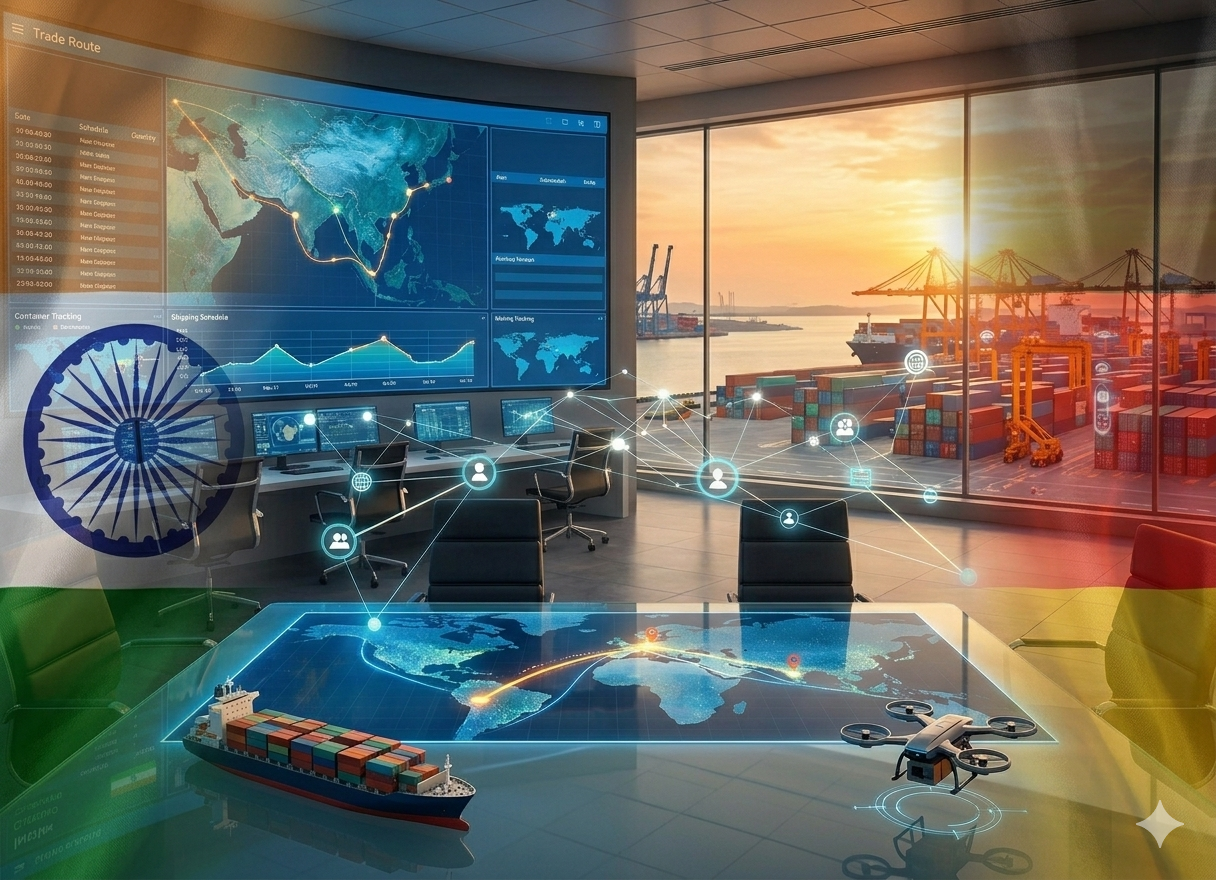
India and Germany continue to strengthen their economic partnership, creating significant opportunities for Indian businesses looking to expand internationally. As cooperation grows across sectors such as automotive, engineering, information technology, renewable energy, manufacturing, and industrial automation, Germany has become one of the most attractive destinations for companies seeking long-term growth in Europe.
This momentum reached a milestone in January 2026, when India and the European Union concluded a comprehensive Free Trade Agreement — the largest such deal either side has ever signed, covering roughly two billion people and about a quarter of global GDP. While the agreement still requires ratification and is expected to enter into force in 2027, it will progressively reduce or eliminate tariffs on the large majority of goods traded between India and the EU and open significant access in services. For Indian businesses, this transforms the economic case for establishing a European base now, ahead of the tariff reductions taking effect.
For Indian entrepreneurs, manufacturers, exporters, and SMEs, Hannover stands out as a strategic gateway to the German and European markets. With its strong industrial ecosystem, internationally recognized trade fairs, skilled workforce, and business-friendly environment, Hannover offers an ideal location for establishing a European presence.
Why Germany Matters for Indian Businesses in 2026
Germany is Europe's largest economy and one of the world's leading industrial nations. For Indian companies, it provides direct access to the European Union market while offering a stable and innovation-driven business environment.
Trade relations between India and Germany have expanded significantly in recent years, particularly in automotive, renewable energy, engineering services, healthcare, logistics, and advanced manufacturing. As supply chains continue to diversify globally, many Indian companies are looking beyond exports and exploring foreign direct investment opportunities in Germany to strengthen their European footprint.
For businesses planning international growth, Germany offers a unique combination of market access, technological expertise, and long-term business potential. With the India–EU Free Trade Agreement set to take effect, companies that establish a German presence early will be well positioned to benefit from lower trade barriers and smoother market access across the EU as the agreement is phased in.
Why Hannover Is the Preferred Entry Point
Many Indian companies initially consider major cities such as Berlin, Munich, or Frankfurt. However, many Indian businesses often overlook the advantages of Hannover.
Hannover is known as one of Germany's most important industrial and innovation hubs. It hosts internationally recognized trade fairs, provides excellent connectivity across Europe, and offers direct access to manufacturing clusters.
The city is particularly attractive for companies operating in:
- Automotive and EV manufacturing
- Industrial automation
- Engineering and machinery
- Information technology
- Logistics and supply chain services
- Renewable energy solutions
For Indian companies seeking a cost-effective yet highly connected business location, Hannover provides a strong foundation for expansion.
Understanding the Company Registration Process
Before entering Germany, businesses must understand the company registration process for Indian firms and choose the right legal form (Rechtsform) — one of the most important decisions during market entry, since taxation, liability, compliance, and operational flexibility vary significantly between them.
Indian companies typically choose between two routes: establishing a German company, or operating through a branch of the Indian parent.
Setting up a German company:
GmbH (Gesellschaft mit beschränkter Haftung) — the standard limited liability company and the most common choice for foreign investors. Requires minimum share capital of €25,000 (at least €12,500 paid in at registration) and offers a reputable corporate image with limited liability. A GmbH is also the usual vehicle for a wholly-owned German subsidiary (Tochtergesellschaft) of an Indian parent.
UG (haftungsbeschränkt) — often called the "mini-GmbH," it can be founded with as little as €1 in capital and must retain part of its profits until it reaches the €25,000 threshold, at which point it can convert to a full GmbH. A practical low-capital entry point.
Operating through a branch:
Branch office (Zweigniederlassung) — an entered, operationally autonomous branch of the Indian company, registered in the Handelsregister but without separate legal personality, meaning the Indian parent bears liability.
A dependent business premises (unselbständige Zweigstelle) is a lighter, non-autonomous outpost not entered in the Handelsregister — closest in function to what some markets call a "representative office," though Germany has no formal representative-office category.
Most company forms must comply with Handelsregister requirements, Germany's commercial register, which governs corporate registration and transparency obligations.
Key Sectors Offering Growth Opportunities
Automotive and Electric Mobility
Germany remains a global automotive leader. The transition toward electric mobility has opened new opportunities for Indian auto component suppliers in EV sector supply chains.
Indian manufacturers specializing in precision engineering, batteries, electronics, sensors, and EV components can benefit from partnerships with German OEMs and Tier-1 suppliers.
Industrial Automation and Robotics
The demand for smart manufacturing solutions continues to grow rapidly across Germany. Businesses offering automation systems, AI-driven solutions, robotics, and digital manufacturing technologies can explore valuable automation technology partnerships with German companies.
Information Technology and Digital Services
Germany's digital transformation initiatives continue to create opportunities for Indian IT companies, software providers, cybersecurity firms, and digital consulting businesses seeking long-term European contracts.
Leveraging Trade Fairs and Business Networks
One of Hannover's biggest advantages is its international trade fair ecosystem. Events such as Hannover Messe for Indian exporters provide direct access to potential customers, distributors, suppliers, and strategic partners from across Europe.
Participating in business networking events enables Indian companies to:
- Build credibility in the German market
- Generate qualified business leads
- Understand local market requirements
- Meet potential investors and partners
- Accelerate market entry timelines
Face-to-face relationship building remains a critical success factor in Germany's business culture.
Immigration and Operational Setup
Business expansion often requires relocating key personnel. Understanding residence permits for entrepreneurs is therefore an important part of the expansion process.
Indian business owners and senior executives may require:
- Business visas
- Residence permits
- Work permits
- Family relocation support
At the same time, companies should evaluate office space for Indian subsidiaries based on workforce requirements, logistics needs, and proximity to customers and industry clusters.
Common Challenges and How to Avoid Them
Many businesses underestimate the importance of local compliance and cultural adaptation. Learning from cultural considerations for Indian entrepreneurs can help avoid costly mistakes during market entry.
Common challenges include:
- Regulatory compliance issues
- Taxation misunderstandings
- Language barriers
- Hiring and employment regulations
- Delayed market research
- Incorrect legal structure selection
Studying similar success stories for Indian firms that have successfully expanded into Germany can provide valuable insights and practical lessons.
How HIBS Germany Supports Indian Companies
Successful expansion requires local expertise and trusted guidance. Through dedicated HIBS support for Indian companies, businesses can navigate Germany's regulatory environment more efficiently.
HIBS Germany assists with:
- Market entry strategy development
- Company formation support
- Business location advisory
- Partner and distributor identification
- Investment support
- Trade fair participation
- Local business networking
For many companies, professional guidance significantly reduces risks while accelerating time-to-market.
Conclusion
As India–Germany trade relations continue to strengthen in 2026 — reinforced by the landmark India–EU Free Trade Agreement concluded in January — the opportunities for Indian businesses have never been greater. Whether your organization is exploring EU market entry from India, evaluating Indian SMEs in Germany, or pursuing long-term expansion into European markets, Hannover offers an ideal platform for growth.
With strong industrial networks, access to innovation, international trade fairs, and dedicated business support services, Hannover provides Indian companies with the resources needed to build a successful European presence.
By developing a clear strategy, selecting the right legal structure, and leveraging local expertise, Indian businesses can transform Germany from an export destination into a long-term growth market.
 Twitter