













From Tracks To Autonomy: The Future Of Train Technology
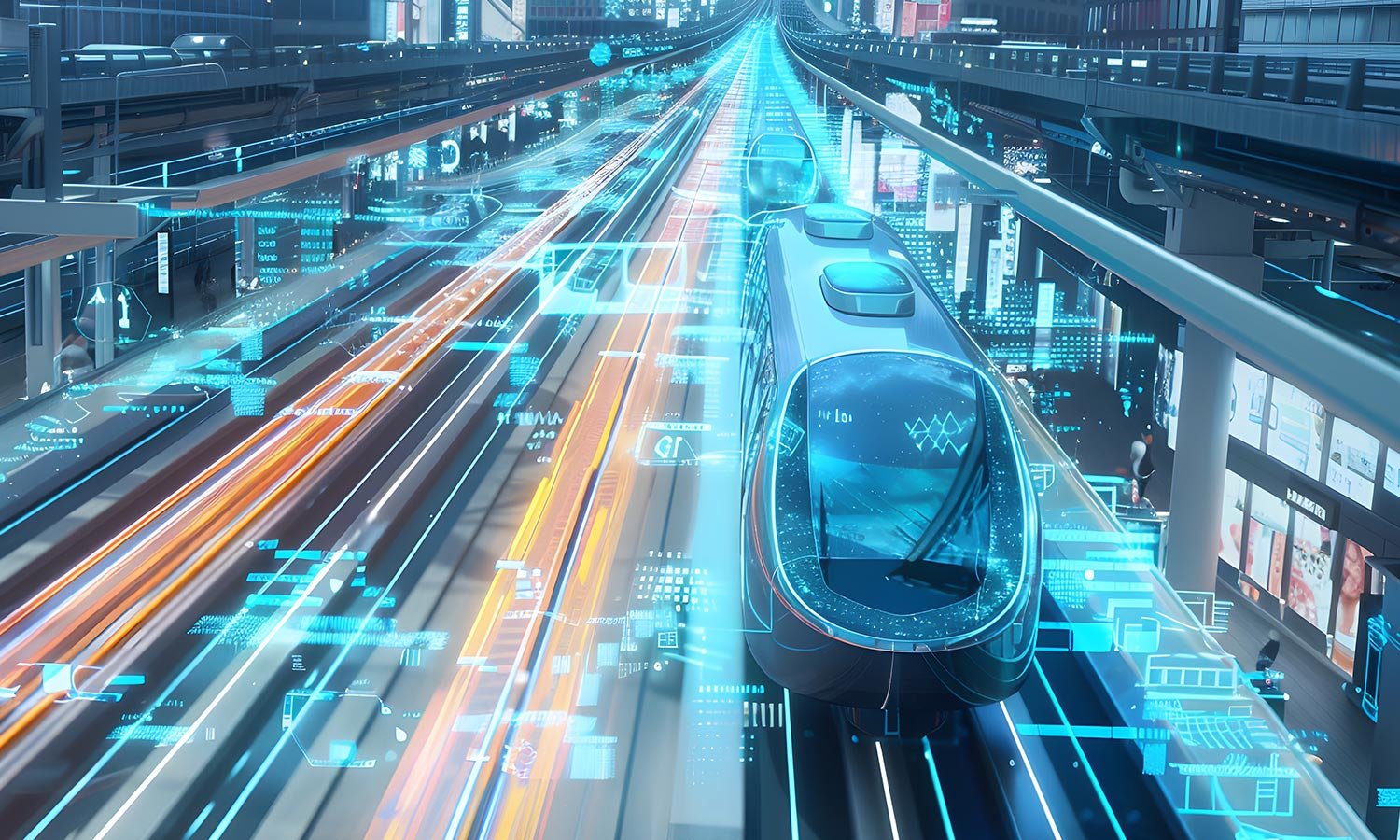
The railway industry is entering an exciting new era, moving from traditional operations to fully autonomous systems. Powered by advanced sensors, artificial intelligence, and real-time data, autonomous trains are transforming how we travel and transport goods. These innovations promise better reliability, improved safety, and a more sustainable future for railways.
Technologies like Grade-of-Automation 4 (GoA4) are leading the way, taking over essential tasks such as managing emergencies, detecting obstacles, and controlling speed. Meanwhile, advanced signalling and train control systems are ensuring smoother operations, fewer delays, and greater efficiency. As the industry evolves, adopting these cutting-edge solutions is essential to staying ahead.
Trending Global Highlights
- Grade-of-Automation 4 (GoA4) – This top-tier automation system handles everything from speed control to obstacle detection and emergency responses, reducing human error and boosting passenger confidence.
- OTIV – ADAS for Light Rail – Belgian start-up OTIV uses AI and sensors to create safer, greener urban rail systems. Their technology enables zero-emission trains equipped with collision avoidance and object detection.
- Integrated Signalling by GEAR International Holdings: This South African start-up improves train movement and platform availability using advanced signalling systems like Communications-Based Train Control (CBTC).
- Automatic Train Control (ATC) – By using real-time data to optimize traffic flow, ATC systems ensure trains run on time and make operations more efficient.
- AI-Powered Maintenance – Predictive analytics help railway operators identify potential issues before they occur, reducing downtime and ensuring smoother journeys.
Opportunities and What’s Next
The future of autonomous trains is full of potential. Here’s what’s on the horizon:
- Eco-Friendly Travel – Zero-emission trains like OTIV’s systems will play a big role in reducing the railway industry’s carbon footprint.
- Better Urban Mobility – Autonomous trains will ease congestion in cities, providing faster and more reliable public transport.
- Safer Journeys – With technologies like collision detection and advanced signalling, accidents can be minimized, and passenger safety can be prioritized.
- Cost-Effective Operations – Automation reduces operational costs, improves energy efficiency, and ensures trains run more reliably.
- A Competitive Edge – Early adopters of these technologies will lead the way, benefiting from improved performance and enhanced customer satisfaction.
Conclusion
The move to autonomous trains isn’t just about technology; it’s about creating a smarter, safer, and more sustainable future for railways. By embracing innovations like GoA4 automation, AI-powered maintenance, and advanced signalling, the railway industry can transform how we travel and transport goods.
Innovations in autonomous trains are especially important for Hannover due to its role as a major mobility hub by increasing efficiency, reducing delays, and optimizing rail traffic management. These advancements will support sustainable urban mobility by lowering emissions and improving connectivity between regional and long-distance transportation networks.
 Twitter