





Pharmaceutical Industry in Germany: 2025 Trends, Growth, and Opportunities
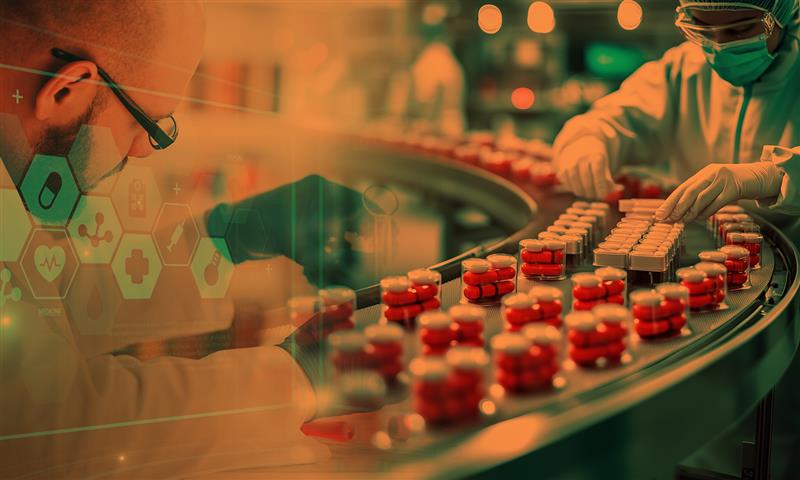
The pharmaceutical industry in Germany stands as one of Europe’s most dynamic and robust sectors, offering vast opportunities for innovation, investment, and growth in 2025. Closely linked to the broader healthcare ecosystem in Germany, the pharma sector benefits from advanced medical infrastructure, strong public health policy, and a commitment to quality patient care.
Regions like Hannover play a critical role in this landscape, with Hannover healthcare services and clusters supporting pharmaceutical innovation, clinical research, and hospital partnerships. With an advanced research ecosystem, world-class manufacturing capabilities, and a strong regulatory framework, Germany has long been a global leader in pharmaceuticals
In 2025, the sector continues to evolve rapidly, driven by technological transformation, sustainability goals, and a strategic focus on healthcare resilience. For businesses, investors, and policymakers, understanding these trends is essential to tapping into Germany’s thriving pharmaceutical market.
Germany’s Leadership in Pharma: A Snapshot
Germany is Europe’s largest pharmaceutical market and consistently ranks among the top five globally in terms of value and production. The pharma sector in Germany includes global giants like Bayer and Boehringer Ingelheim, as well as hundreds of innovative SMEs, contract manufacturers, and biotech start-ups.
The country’s strength lies in:
- Advanced manufacturing facilities with rigorous quality standards
- A strong culture of R&D and collaboration between industry and academia
- Access to the EU single market
- Skilled workforce and world-class infrastructure
2025 Trends in the Pharmaceutical Industry in Germany
As the sector adapts to global challenges and local opportunities, several key trends will define its path in 2025:
1. Digital Transformation and Health Tech
Digital health in Germany is no longer just an emerging trend—it’s central to the sector’s evolution. From AI-powered drug discovery to telemedicine and patient engagement apps, digitalization is transforming every stage of the pharma value chain.
Companies are investing heavily in:
- AI and machine learning for faster R&D.
- Digital clinical trials and remote patient monitoring.
- Data interoperability is aligned with the EU Health Data Space initiative.
- Automation in manufacturing and supply chain.
Germany’s government continues to support digital health adoption with dedicated funding, regulatory frameworks, and partnerships with tech start-ups. In fact, the World Health Organization (WHO) recently announced a new Collaborating Centre on Digital Health in Germany, underscoring the country’s growing role as a leader in health technology and policy innovation.
2. Personalized Medicine and Advanced Therapies
Germany is at the forefront of developing personalized medicine, cell and gene therapies, and biopharmaceuticals. By leveraging genomics, big data analytics, and biomarker research, companies are delivering more targeted and effective treatments.
This trend reflects Germany’s deep investment in biotech innovation, with clusters of R&D activity in cities such as Munich, Berlin, and Hannover. Government programs and EU-level funding also support research in oncology, rare diseases, and advanced therapies.
3. Sustainability and ESG Priorities
Environmental and social governance (ESG) has become a central strategic pillar for the pharmaceutical industry in Germany. In 2025, companies are under increasing pressure to reduce their carbon footprints, ensure supply chain transparency, and adopt greener manufacturing practices.
Initiatives include:
- Renewable energy use in manufacturing plants
- Reduced water and solvent consumption
- Circular economy approaches for packaging
- Ethical sourcing of raw materials
This focus on sustainability is not only regulatory-driven but also an important factor for global competitiveness and brand reputation.
4. Strengthening Supply Chain Resilience
COVID-19, and geopolitical shifts have underscored the need for more resilient pharmaceutical supply chains. Germany is investing in local production capabilities, diversifying suppliers, and creating strategic reserves of critical medicines.
For foreign companies, this opens opportunities to:
- Partner with local manufacturers.
- Establish production facilities in Germany.
- Leverage Germany as a distribution hub for the EU.
Hannover, with its central location and advanced logistics infrastructure, is well-positioned to support pharma supply chain strategies.
Opportunities for Foreign Investors and Companies
For companies looking to expand into the pharmaceutical industry in Germany, 2025 offers multiple avenues for growth:
- Access to the world’s fourth-largest economy with a stable, transparent regulatory environment
- Participation in EU-wide research and innovation programs
- Availability of government grants, tax incentives, and free trade zones for manufacturing and logistics
- Partnerships with universities, research institutes, and healthcare providers
- Integration with healthcare services offered in Germany, ensuring strong patient demand and robust market potential
Investment incentives are particularly attractive for companies focusing on digital health in Germany, sustainable manufacturing, and advanced therapies.
Why Choose Germany for Pharma Expansion?
Germany’s pharma sector combines world-class quality standards, cutting-edge innovation, and a central location in the European market. With its focus on digital health, sustainability, and supply chain resilience, it offers a stable and future-ready environment for pharmaceutical companies.
Regions like Hannover offer not only infrastructure but also strong business support networks, making them ideal entry points for foreign firms.
At Hannover International Business Services (HIBS), we specialize in helping companies navigate the complexities of market entry, from regulatory compliance to local partnerships and site selection.
Conclusion
The pharmaceutical industry in Germany is poised for significant growth and transformation in 2025. With trends such as digital health in Germany, personalized medicine, and sustainability redefining the sector, there are abundant opportunities for companies ready to invest and innovate. By understanding these trends and leveraging Germany’s unique strengths, businesses can secure a strong foothold in one of the world’s most important pharmaceutical markets.
If you’re considering expanding your pharmaceutical operations into Germany, get in touch with Hannover International Business Services (HIBS) today to learn how we can support your success.
 Twitter