






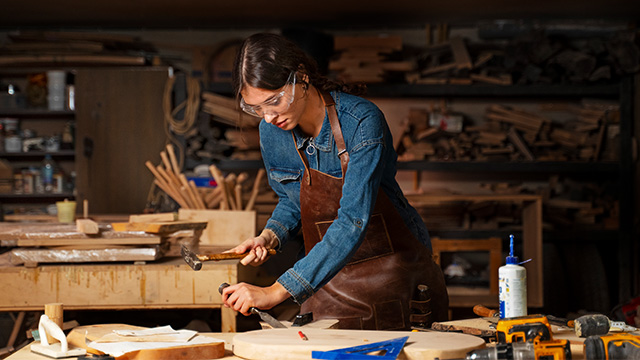
skilled crafts

Skilled Craft Trades (Handwerk) in Hannover, Germany

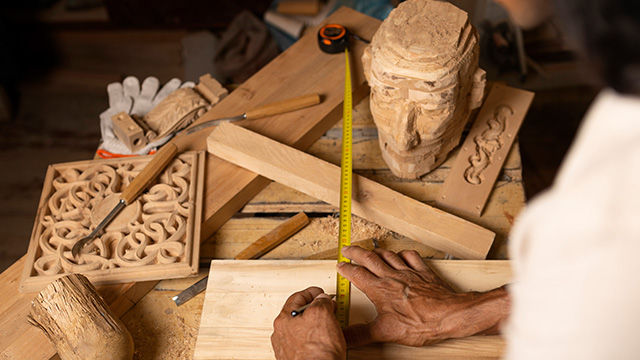
Germany's skilled craft trades sector — known as Handwerk — is one of the most significant contributors to the national economy. According to figures published by the German Confederation of Skilled Crafts, the sector generated approximately €783 billion in nominal turnover in 2025 and accounted for around 6.3 million employment relationships.

In the Hannover region, skilled craft trades play a central role in both residential and commercial construction, building technology, electrical and plumbing services, precision metalworking, and food production. Germany combines dual vocational training with advanced qualifications such as the Meister examination. For certain regulated crafts, an appropriate qualification or another legally recognised basis is required for registration in the Handwerksrolle.

Key subsectors in Hannover's Handwerk economy:

Construction and building technology (Baugewerbe) — Hannover's urban development projects and the ongoing renovation of Germany's building stock create steady demand for construction trades companies, particularly in energy-efficient retrofitting under Germany's Building Energy Act (GEG).

Electrical and HVAC (Elektro- und Versorgungstechnik) — The energy transition (Energiewende) has significantly increased demand for electricians, heating engineers, and solar installation specialists across Lower Saxony.

Precision metalworking (Metallhandwerk) — Hannover's proximity to the Volkswagen Group manufacturing corridor creates continuous demand for precision metalworking and tooling services from the automotive supply chain.

Food trades (Lebensmittelhandwerk) — Hannover has a strong artisan food sector including bakeries, butchers, and confectioners. International companies in food production technology find natural partners and customers here.

Entering the German skilled trades market

Foreign companies entering the German skilled trades market face a specific regulatory framework. Businesses carrying out a regulated craft listed in Annex A generally require registration in the Handwerksrolle. Registration may be based on a Meister qualification, a recognised equivalent qualification, an appropriately qualified technical manager or another statutory authorisation or exemption. Crafts listed in Annex B are generally not subject to the Meister requirement for market entry, although registration or notification obligations and other sector-specific rules may still apply.HIBS Germany advises international companies on the correct qualification pathway, helps navigate Chamber of Crafts (Handwerkskammer Hannover) registration, and connects companies with local trade partners.

Economic Impact (Hannover Region)

Skilled crafts form a vital pillar of Hannover's economy, with robust employment and growth potential amid ongoing labor shortages.

Metric Value (Base Year: 2019)
Employment 71,600 socially insured workers (13.9% of total)
Companies 11,900 companies
Annual Turnover Nearly €6 billion
Trainees ~5,000

Nationally, the sector employs 5.7 million across 1 million SMEs, fueling innovation in crafts like electrics, wood-processing, and health services.

Key Branches

Focus areas align with high-demand global needs:

Branch Businesses
Construction & Finishing 3,150
Health, Personal Care & Cleaning 3,400
Metal Trades 2,660

Unlike focused industries, skilled crafts offer a versatile mosaic of services for private, industrial, and public clients.

Training & Innovation Ecosystem

Hannover invests in future talent:

  • Research: Heinz Piest Institute (HPI) for Craft Technology at Leibniz University.
  • Education: Promotion and Education Centre, Hannover Chamber of Skilled Crafts—addressing unfilled apprenticeships via digital tools and programs.

Digital initiatives like craftguide's interactive videos for HVAC trades enhance skills in pipe bending and soldering.

Opportunities with HIBS Germany

Partner with Hannover's crafts ecosystem for supply chain integration, tech transfers, and investments. HIBS connects Indian firms to this €6B market via the German-Indian Business Center, offering consultations for market entry. Explore green construction, advanced metalwork, and health tech amid Germany's skilled labor demand.

skilled crafts sector
Skilled Trades

FAQ

1. What are skilled craft trades in Germany?
Handwerk professions, many of which require Meister qualification, covering 130 trades like plumbing, baking, and IT systems.
2. How to enter Hannover's craft sector as a foreigner?
Via Ausbildung visas, GIBC support, or self-employment with trade license.
3. What qualifications are needed for skilled craft trades in Germany?
Most trades require a Meisterbrief (master craftsman certification) for business owners, earned after apprenticeship and exams—essential for self-employment or leading a workshop.
4. How does Hannover support international investment in skilled craft trades?
Through Hannover International Business Services (HIBS Germany), offering matchmaking, funding advice, and market entry for sectors like metal trades and construction.
5. What are the job prospects in Hannover's skilled craft trades?
Excellent, with 400K+ national vacancies; local demand in construction (3,150 firms) and health services offers stable roles, apprenticeships, and competitive wages with strong long-term earning potential, especially after further qualification (e.g. Meister)..

Get In Touch

Get in Touch

I am interested to learn about:


By completing and submitting this form, you understand and agree to hannoverimpuls GmbH processing your acquired contact information as described in our privacy policy.

Youtube
Instagram
Linkedin
Twitter