













AI & Automation for German Manufacturing: A Foreign Entrant’s Guide
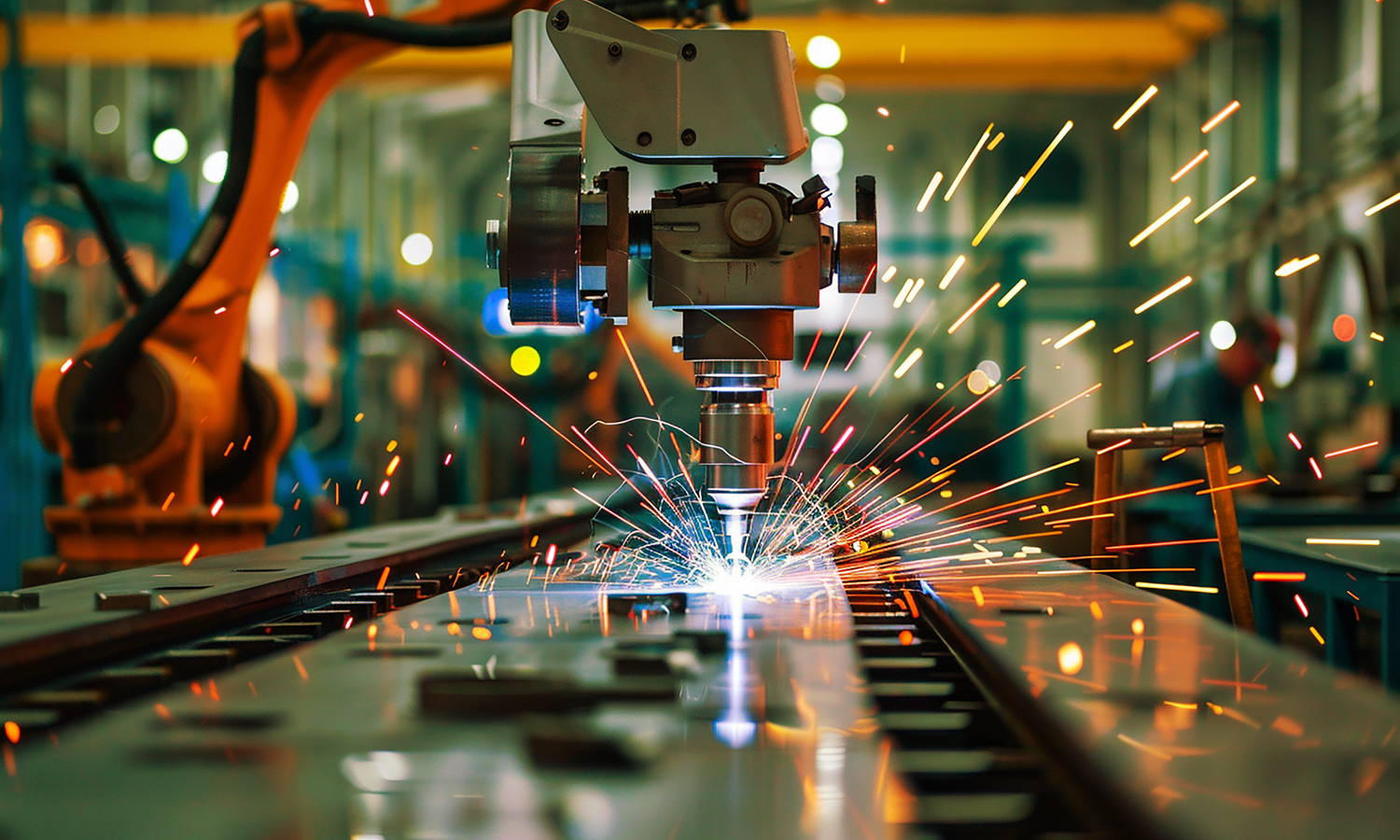
Germany’s manufacturing sector is globally renowned for its precision engineering, automotive excellence, and strong industrial base. However, like most advanced economies, it is undergoing rapid transformation driven by artificial intelligence (AI) and automation technologies. For foreign companies entering the German market, understanding this shift is critical to remain competitive and align with the country’s Industry 4.0 strategy.
This guide explores key trends, opportunities, challenges, and actionable steps for international businesses planning to invest or expand in Germany’s evolving manufacturing landscape.
Why AI and Automation Matter in German Manufacturing
Germany accounts for nearly 25% of Europe’s manufacturing output, and sectors like automotive, machinery, and electronics are heavily adopting AI-driven automation. According to recent studies, AI adoption in German factories has doubled since 2020, with over 13% of manufacturers integrating machine learning for predictive maintenance, quality control, and supply chain optimization.
The drivers behind this transformation include:
- Labor shortages: An aging workforce creates demand for automated processes.
- Global competitiveness: AI reduces production costs and increases efficiency.
- Sustainability goals: Automation supports energy efficiency and circular manufacturing.
- Customization demands: AI enables smart factories that can quickly adapt to customer needs.
Key AI and Automation Trends in 2025
1. Smart Factories and Predictive Maintenance
German manufacturers are adopting AI-powered predictive analytics to minimize downtime and improve machine efficiency. Predictive maintenance reduces costs by anticipating equipment failures before they occur.
2. Robotics and Collaborative Automation (Cobots)
Cobots are increasingly used in assembly lines, especially in automotive and electronics sectors, where human-robot collaboration boosts safety and precision.
3. AI-Driven Quality Control
Computer vision and machine learning algorithms are enhancing inspection processes, reducing defects, and maintaining Germany’s strict quality standards.
4. Supply Chain Optimization
AI models forecast demand, optimize inventory, and streamline logistics — critical for companies entering Germany’s export-driven economy.
5. Green and Sustainable Automation
Automation aligned with Germany’s Green Deal commitments focuses on energy-efficient production, waste reduction, and circular economy initiatives.
Opportunities for Foreign Entrants
For international businesses, Germany offers several strategic advantages:
- Advanced industrial clusters: Regions such as Hannover, Stuttgart, and Munich are thriving hubs for automotive, robotics, and machine tool industries.
- R&D collaboration: Access to renowned institutions like Leibniz University Hannover and Fraunhofer Institutes encourages joint innovation.
- Government incentives: Grants and tax credits for Industry 4.0 and sustainability projects provide strong support for new market entrants.
- Trade fairs and networking: Major events like Hannover Messe enable exposure to cutting-edge technologies and valuable partnerships.
Challenges to Navigate
While the opportunities are significant, foreign entrants must also be prepared to address key challenges:
- Complex regulations: Compliance with EU and German data protection, safety, and labor laws is critical for market entry and ongoing operations.
- High competition: Established German companies dominate automation technologies, making differentiation and value proposition vital for new players.
- Skill gaps: Recruiting talent skilled in AI and automation can be competitive, often requiring collaboration with local training institutions and workforce programs.
- Integration costs: Significant upfront investments in smart technologies and employee retraining may be necessary for seamless implementation.
Steps to Enter the German AI & Automation Market
1. Conduct Market Research and Feasibility Studies
Analyze sector-specific opportunities (e.g., automotive suppliers in Lower Saxony) and identify clusters aligned with your product or service.
2. Leverage Funding and Incentive Programs
Apply for federal and state-level grants supporting digitalization and green technologies, such as BMWK’s (Federal Ministry for Economic Affairs and Energy) Industry 4.0 programs.
3. Build Local Partnerships
Collaborate with German research institutes, automation companies, and vocational training centers to integrate into local supply chains.
4. Start with Pilot Projects
Implement small-scale automation projects to test feasibility, gain insights, and demonstrate ROI before full deployment.
5. Engage Expert Consulting Support
Partnering with Hannover International Business Germany helps foreign companies navigate regulatory processes, secure funding, and connect with Hannover’s innovation network.
Conclusion
AI and automation are redefining German manufacturing, creating new opportunities for efficiency, sustainability, and innovation. For foreign companies, entering this market with the right strategy —combining local partnerships, funding utilization, and expert guidance —can unlock significant growth potential.
With strong ecosystems like Hannover leading the charge, now is the time for global businesses to future-proof their operations and be part of Germany’s industrial transformation.
 Twitter