






Germany Investment Opportunities for Foreign Companies: Sectors, Cities & Incentives
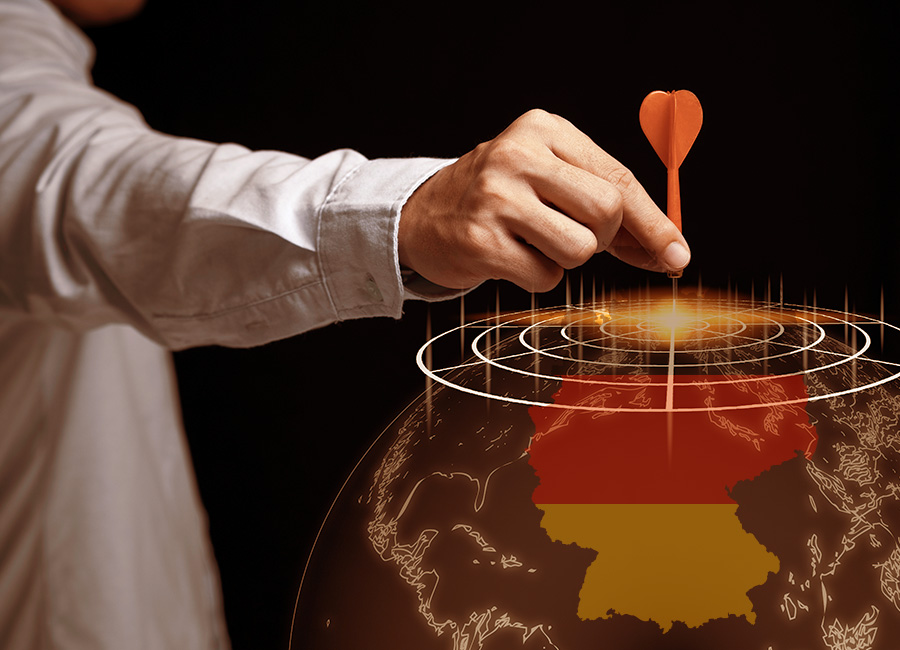
Germany stands as Europe’s economic powerhouse the continent’s largest economy, a global leader in innovation and manufacturing, and the most direct gateway into the EU’s single market. For global entrepreneurs and expanding corporations, that combination of stability, infrastructure, and market access is what makes Germany one of the most consistently attractive investment destinations in Europe.
This guide covers where the opportunity actually is by sector and by city along with the incentives available and what office space options look like once you’re ready to set up.
If you’re ready to move on the legal side of things, see our full guide to registering a business in Germany.
Why Germany Is a Top Investment Destination
- Political and economic stability
- Strong legal and IP protection, with transparent, enforceable contracts
- A highly skilled, multilingual workforce over 80% have vocational training or higher education
- World-class infrastructure: integrated highways, ports, rail, and logistics hubs
- Attractive federal and regional incentives, including R&D tax credits and grants
Supported by national agencies like Germany Trade & Invest (GTAI) and HIBS Germany, the country actively encourages foreign investment and business expansion.
Top Sectors to Invest In
Automotive & Mobility
Germany leads in EV manufacturing and connected vehicle technology, with deep talent pools and supplier networks. Foreign direct investment in the country’s auto sector continues to grow rapidly.
Renewable Energy & Sustainability
A top performer in wind, solar, and green hydrogen investment, backed by grants and regulatory incentives aligned with EU green transition goals. Renewable energy zones offer accessible land and infrastructure.
Industry 4.0 & Digital Manufacturing / IT
Germany leads in smart factories, automation, and industrial digitalization. Its IT sector fast-growing in AI, cybersecurity, and SaaS is especially strong in Hannover and Frankfurt, with solid investor and institutional support for foreign tech companies.
Healthcare & Biotechnology
A European hub for pharmaceuticals, diagnostics, and medical innovation, supported by strong R&D infrastructure, lab facilities, and academic partnerships.
Logistics & E-Commerce
Germany’s ports, railways, and smart logistics zones make it a favorite base for international warehousing, distribution, and last-mile delivery across Europe.
Financial & Business Services
Cities like Frankfurt attract international banks, fintech companies, and professional service providers.
Key Investment Trends to Know
- Green investment surge — sustainability is driving foreign capital into renewable energy, green hydrogen, and ESG-compliant sectors, backed by the Green Deal and climate action laws
- Start-up-friendly ecosystem — Hannover, Munich, and Hamburg are emerging as start-up capitals with strong access to VC funding, incubators, and accelerators
- EU grants and subsidies — programs like Horizon Europe fund innovation in AI, clean tech, and life sciences directly
- Post-Brexit relocation — many firms are relocating European HQs to Germany for better EU market access
- Digital infrastructure expansion — 5G rollout and the government’s Digital Strategy support tech-forward businesses
Best Cities for Foreign Companies
| City | Best For |
|---|---|
| Hannover | Industrial innovation, trade fairs, logistics, manufacturing — cost-efficient office space with strong European market access |
| Berlin | Tech, creative industries, and innovation-driven start-ups |
| Munich | Engineering, automotive, and high-tech companies |
| Frankfurt | Banking, fintech, and professional/financial services |
| Hamburg | Global logistics and trade, strong port infrastructure |
Office Space Options for Foreign Businesses
Establishing a physical presence matters for credibility, hiring, and long-term growth. Common options include:
- Business centers — fully furnished, quick to set up
- Co-working spaces — flexible and cost-efficient, ideal for start-ups
- Traditional leased offices — long-term stability for established firms
- Virtual offices — a local address without physical occupancy
Government Support & Incentives
- Investment grants (region-specific)
- R&D tax incentives and innovation subsidies
- Export credit guarantees
- Workforce training and employment support programs
Regional partners like HIBS Germany provide hands-on support turning these incentives into practical next steps.
Getting Started: What the Process Looks Like
Once you’ve identified your sector and location, the investment process itself follows the standard business registration path: choosing a legal structure (GmbH, AG, branch office, or representative office), registering the business, and completing tax registration. Corporate tax in Germany averages around 29.8%, though trade tax varies by municipality.
For the full step-by-step registration process notarization, share capital, Commercial Register filing see our complete guide to starting a business in Germany.
How HIBS Germany Helps
HIBS Germany acts as a single-window partner for international businesses entering the German market covering market entry strategy, company structuring, office space and site selection, business immigration, and local hiring and networking support. Get in touch with our team for tailored advisory.
 Twitter